
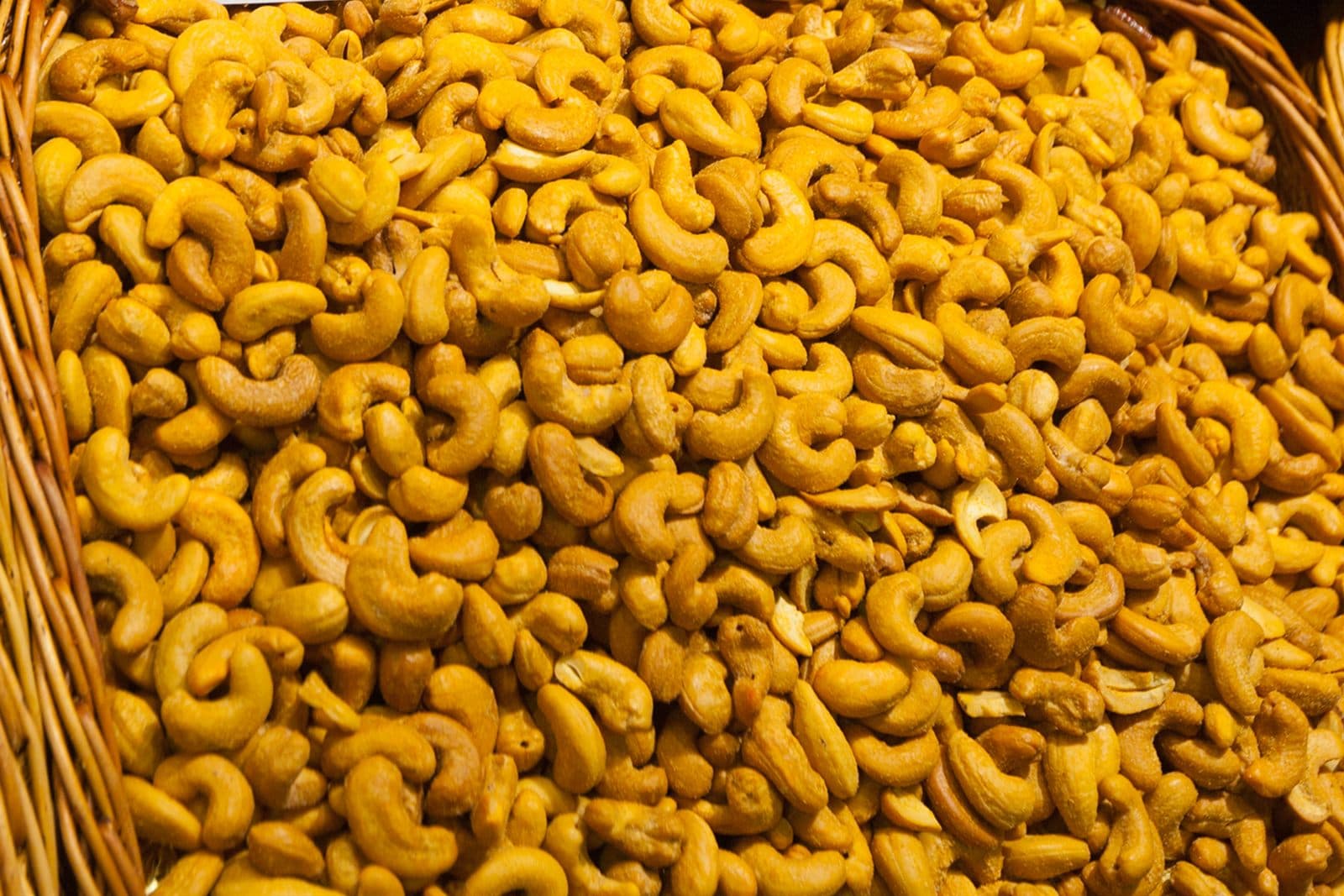
Cashew Nuts
Raw cashew nuts sourced directly from the farm gate throughout the harvest season, with grading based on kernel out-turn.
Common grades: Grade A, 48 to 52 lbs per 80 kg bag. Grade B
Raw and processed rubber purchased from plantations and smallholders, available throughout the year.
Ghana is among West Africa's larger producers of natural rubber, with supply drawn from both established plantations and independent smallholders. Unlike most agricultural commodities, natural rubber is tapped continuously throughout the year rather than harvested within a defined season, which places it in a different planning category from the seasonal crops we also trade.
We purchase raw and processed rubber from both plantation operators and smallholders, and supply primarily to tyre manufacturers and other industrial buyers. The absence of a fixed season is, in one sense, an advantage. Contracts can be structured around delivery dates rather than a narrow harvest window. In another sense, it removes the predictable rhythm that governs seasonal commodities, meaning volume and timing are agreed case by case rather than planned around a known calendar.
Figures represent our working range. The contracted grade reflects the measurement taken on that specific lot.
Natural rubber is sourced from Ghana's Ashanti, Western, and Eastern regions, home to the country's principal rubber plantations and smallholder farms. As rubber trees are tapped continuously rather than harvested seasonally, supply is available throughout the year, without the seasonal peaks and gaps that affect crops such as cashew or shea.
This year-round availability makes natural rubber more straightforward to plan against than seasonal commodities, though volumes from individual smallholders can still vary week to week depending on tapping schedules and weather conditions.
All year.
Available All year.
Raw cashew nuts sourced directly from the farm gate throughout the harvest season, with grading based on kernel out-turn.
Common grades: Grade A, 48 to 52 lbs per 80 kg bag. Grade B

Clean, dry, sorted nuts purchased in bulk from collectors across the northern shea belt.
Fat content: 40 to 50%
Submit the commodity, volume, and grade. A response will follow within one to two business days.